
Why Do Horses Let Us Ride Them? The Science of Trust and the Equine-Human Bond
The first time you place your hand on a horse’s warm, velvety neck, feeling the steady rhythm of their breath beneath your fingers, it’s hard not to wonder: why does this powerful, thousand-pound creature allow us to climb onto its back? Horses could easily refuse—yet for thousands of years, they’ve carried us into battle, across vast plains, and into the quiet corners of our hearts. The answer lies in a delicate dance of trust, evolutionary biology, and the profound bond that forms when two species learn to speak without words.
The Evolutionary Roots of the Equine-Human Partnership
Horses didn’t start out as willing partners. Their ancestors were prey animals, hardwired to flee or fight. So how did we go from predator-prey dynamics to the gentle nuzzle of a horse seeking treats from your pocket? The shift began with domestication around 6,000 years ago, when early humans recognized the horse’s strength and speed as tools for survival. But domestication wasn’t just about taming—it was about mutual benefit. Horses gained protection, steady food, and social structure; humans gained mobility, labor, and an unspoken camaraderie.
The Science of Trust: Flight Animal vs. Companion
A horse’s brain is wired to react first and ask questions later. Their survival depends on it. Yet, through patient training and consistent positive experiences, horses learn to override their instinct to bolt. Studies show that horses read human emotions through facial expressions and tone, building trust incrementally. When a horse lowers its head, licks its lips, or sighs deeply, it’s signaling relaxation—a small but monumental surrender to the idea that you’re not a threat.
The Role of Training and Communication
Trust alone isn’t enough. Horses allow us to ride because we’ve learned their language—subtle shifts in weight, pressure from a leg, the softest tug of a rein. Unlike dogs, horses don’t aim to please; they aim to understand. Clear, respectful communication is key. Poor training—based on fear or force—breaks the bond, while methods rooted in positive reinforcement create willing partners. A well-trained horse doesn’t just tolerate riding; it actively engages, responding to cues as if they’re part of a shared dialogue.
The Power of the Herd Mentality
Horses are social creatures, and in their eyes, humans can become honorary herd members. When a horse accepts a rider, it’s often mirroring the hierarchy of its natural group. A confident, calm leader (that’s you!) inspires confidence in return. Ever noticed how a nervous rider makes a nervous horse? That’s the herd instinct in action—your emotions become theirs.
The Emotional Bond: More Than Just Instinct
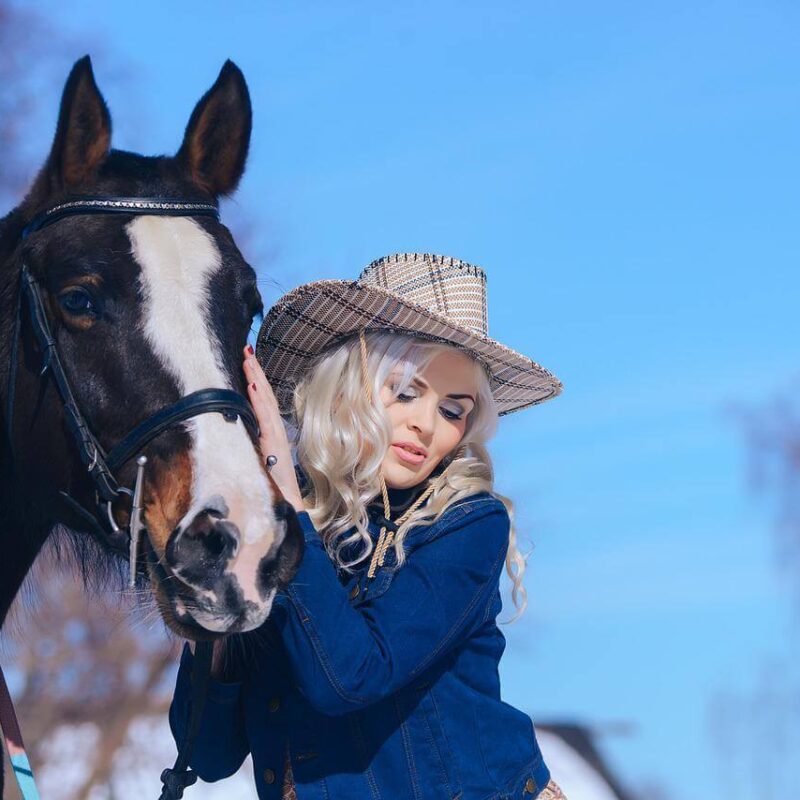
Beyond biology and training, there’s something intangible—the way a horse remembers a familiar voice, or how it leans into a scratch behind the ears. Research suggests horses form attachments to specific humans, recognizing them even after years apart. This bond isn’t servitude; it’s partnership. A horse that trusts you might follow you anywhere—not because it has to, but because it wants to. 🐴
The Physical Mechanics of Riding
From a purely physical standpoint, horses are built to carry weight—but not indiscriminately. A well-fitted saddle distributes pressure, and proper riding posture minimizes strain on their spine. Wild horses rarely carry weight, so domestication has shaped their tolerance over generations. Still, ethical horsemanship means listening when they say “no”—through stiffness, pinned ears, or resistance.
Why Some Horses Resist Riding
Not all horses accept riders easily. Past trauma, poor health, or simply personality can play a role. Some breeds, like the stubborn but brilliant Mustang, require extra patience. Others, like the docile Quarter Horse, seem born for the saddle. Understanding individual needs is crucial. After all, trust isn’t given—it’s earned.
Standing in a sunlit arena, watching your horse’s ears flick toward your voice, you realize this isn’t just about riding. It’s about connection—a silent promise between species. Horses let us ride them because, somewhere along history’s winding path, they chose to stand beside us rather than run. And that’s a gift we’d do well to honor with kindness, respect, and the occasional carrot.
What is Horse Oil: Discover the Beauty Secret and Healing Properties of This Oil
What is Horse Oil: Discover the Beauty Secret and Healing Properties of This Oil
Related Posts

Why Cant You Mount a Horse From the Right Side? Breaking the Oldest Tradition

Why Do We Mount Horses on the Left? The Historical Reason Explained

What Is Horse Showing: A Beginners Guide to Categories

What is horse vaulting: Everything you need to know about gymnastics on horseback

What Is Horse Serum? How This Biotech Component Powers Modern Medicine

Why Do Horses Nibble on Clothes: Is It Affection?