
What Is a Piebald Horse: Traits, Colors & Key Facts
Picture a horse standing proudly in a sunlit meadow, its coat a striking contrast of bold black and crisp white, almost like a canvas splashed with paint. That’s the allure of a piebald horse—a creature that turns heads wherever it goes. Whether you’re a seasoned equestrian or simply captivated by their unique beauty, piebald horses have a way of stirring the imagination. But what exactly makes a horse piebald? Let’s dive into the details.
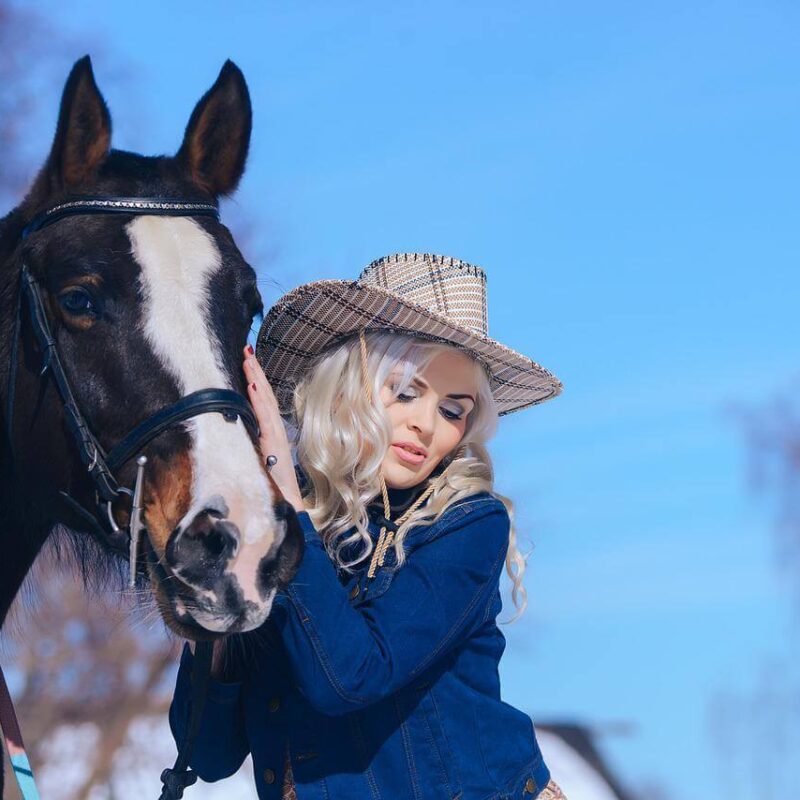
A piebald horse is a horse with a distinctive black-and-white coat pattern, created by a genetic trait known as piebaldism. Unlike solid-colored horses, piebalds display irregular patches of black and white, often with sharp, jagged edges. The term “piebald” comes from the Old English words “pie” (referring to the magpie’s black-and-white plumage) and “bald” (meaning a white patch, not hairless). These horses aren’t a specific breed—you’ll find them in various breeds, from Gypsy Vanners to American Paint Horses.
The striking contrast in their coats isn’t just for show; it’s the result of a *pinto coloration* gene, which disrupts normal pigment distribution. Yet, not all pinto-patterned horses are piebald—only those with black and white patches qualify. Some piebald horses even have blue or brown eyes, adding to their mystique. But let’s be honest: beyond genetics, what truly captivates us is their bold, almost artistic appearance. Whether galloping freely or standing regally, they’re living masterpieces.
The Genetics Behind Piebald Horses
At the heart of a piebald horse’s appearance lies a fascinating genetic story. The tobiano* or frame overo gene often plays a role, influencing where the white patches appear. Tobiano typically creates smooth, rounded patterns, often crossing the back, while frame overo results in more horizontal, jagged-edged markings. However, piebaldism specifically occurs when the black pigment remains dominant alongside large white areas.
How Piebaldism Differs from Other Coat Patterns
It’s easy to confuse piebald with similar coat patterns, so let’s clear things up. A skewbald horse, for instance, has white patches mixed with any color except black—bay, chestnut, or palomino. Then there’s leucism, a separate condition where pigment cells are partially absent, often leading to blue eyes. But true piebald horses? Their defining trait is that black-and-white contrast, a classic two-tone marvel.
Piebald Horses in History and Culture
Piebald horses have long held symbolic meaning across cultures. Romani tradition revered them as lucky charms, believing they warded off evil spirits. In Native American folklore, their striking appearance represented duality—balance between light and dark. Even today, they’re stars in parades and films, their dramatic coats perfect for visual storytelling.
- Gypsy Vanners: Bred by Romani travelers, these piebald horses were workhorses with unparalleled endurance.
- Medieval Europe: Knights prized them for their visibility on battlefields.
- Modern Media: From The Lone Ranger to Spirit: Stallion of the Cimarron, piebalds steal scenes effortlessly.
Caring for a Piebald Horse
While their care doesn’t differ drastically from other horses, piebalds have sensitive skin under white patches, requiring extra sun protection. 🐴 Here’s what to keep in mind:
- Sunscreen: Apply equine-safe sunscreen to pink-skinned areas to prevent burns.
- Fly Control: White areas attract insects—fly sheets or masks help.
- Grooming: Their dark patches show dirt more, so regular brushing is key.
Debunking Myths About Piebald Horses
Some believe piebalds are prone to health issues, but that’s a misconception. While *lethal white syndrome* affects some overo-patterned foals, true piebalds (tobiano-dominant) are generally healthy. Another myth? That their temperament is linked to color—nonsense! Personality varies by breed and training, not coat.
A Horse That Stands Out—Literally
There’s something undeniably magical about piebald horses. Maybe it’s how their coats shimmer under sunlight or the way they carry an air of timeless elegance. Whatever it is, they remind us that beauty thrives in contrast—black and white, strength and grace, tradition and individuality.
Final Thoughts
Next time you see a piebald horse, take a moment to admire the artistry in its coat. These horses aren’t just a genetic marvel; they’re storytellers, history keepers, and living proof that nature loves a bold statement. Whether you meet one in a pasture or a parade, their presence lingers—a testament to the wild, wonderful world of horses.
And who knows? Maybe one day, you’ll find yourself captivated by a piebald’s gaze, lost in the stark beauty of black meeting white. After all, some things in life—like these horses—are simply unforgettable.
What Size Horse Do I Need? Find Your Perfect Match Now
What Is a Ridgling Horse? Uncovering This Unique Equine Mystery
Related Posts

Do Horses Get Ticks? How to Protect Your Equine Friend – Essential Tips

Do Horses Have Canine Teeth? Discover the Surprising Truth About Equine Teeth

Do Horses Eat Straw? Benefits, Risks & Feeding Tips for Your Horse

Do Horses Get Lonely? Understanding Their Social Needs for Happy Herds

Can You Ride a Horse With White Line Disease? Expert Tips & Safety Advice

What Is a Stringhalt in Horses: Causes, Signs & Treatment Guide

What Sound Does a Horse Make in Words? Fun Facts Revealed