
Do Horses Get Lonely? Understanding Their Social Needs for Happy Herds
Have you ever watched a horse standing alone in a field, ears drooping slightly, eyes scanning the horizon as if searching for something—or someone? That quiet moment might make you wonder: do horses get lonely? The answer is a resounding yes. Horses are deeply social animals, hardwired to thrive in herds. In the wild, their survival depends on companionship, mutual grooming, and shared vigilance against predators. A solitary horse isn’t just bored; it’s stressed. Studies show that isolation can lead to anxiety, depression, and even physical health issues like ulcers or weakened immunity. Yet, let’s be honest—not all horses wear their hearts on their sleeves. Some may seem indifferent, but subtle signs like pacing, whinnying excessively, or losing interest in food reveal their longing for connection. Understanding their social needs isn’t just about preventing loneliness; it’s about honoring their nature. Whether it’s a pasture buddy, a goat sidekick, or even your attentive presence, companionship is non-negotiable for these emotional, intelligent creatures.
Why Horses Need Herds: The Science Behind Their Social Bonds
Horses didn’t evolve to be loners. For millions of years, their ancestors relied on herds for protection, reproduction, and emotional well-being. Research shows that herd dynamics reduce stress hormones like cortisol, while isolation spikes them. Imagine the difference between laughing with friends and eating dinner alone in silence—that’s the equine version of companionship versus solitude. Herds provide:
- Safety in numbers: Multiple eyes scanning for predators.
- Social grooming: Mutual scratching strengthens bonds.
- Hierarchy comfort: Clear roles reduce conflict.
Even domesticated horses retain these instincts. A study from the University of Pennsylvania found that horses stabled alone exhibited more stress behaviors (like weaving or stall-walking) than those with neighbors. Yet, it’s not just about proximity. The quality of relationships matters. Two horses who’ve bonded will graze side by side, synchronize their movements, and nicker softly to each other—a language of trust we’re only beginning to decode.
Signs Your Horse Might Be Lonely
Horses can’t text their friends or binge-watch TV to cope with solitude. Instead, they communicate loneliness through behavior—some obvious, some heartbreakingly subtle. Watch for:
- Excessive vocalization: Frequent whinnies, especially when others leave.
- Pacing or fence-walking: Restless searching for companionship.
- Loss of appetite: Stress dulls their interest in food.
But some signs are quieter. A horse standing motionless for hours, ears flicking listlessly, or over-grooming itself to the point of bald patches. These are the equine equivalents of sighing into a void. 🐴 One owner shared how her mare, Daisy, would pile hay into a corner as if “building a nest” when alone—a desperate attempt to create comfort in emptiness.
When Loneliness Turns Dangerous
Chronic isolation isn’t just sad; it’s harmful. Prolonged stress weakens the immune system, increases colic risk, and can trigger ulcers. A 2017 study linked solitary confinement in horses to higher rates of gastric inflammation. Mental health matters too: depressed horses may become apathetic or aggressive, rejecting training or human interaction. The takeaway? Loneliness isn’t a “mood”—it’s a welfare issue.
How to Keep Your Horse Socially Fulfilled
You don’t need a 20-acre herd to meet your horse’s social needs. Creativity and observation go a long way. Here’s how to help:
Pasture Partners: More Than Just a Roommate
Not all companions are equal. Horses prefer buddies with compatible energy levels. A high-strung Thoroughbred might overwhelm a gentle draft horse, while two dominant personalities could clash. Introduce new herd members gradually, using shared space like adjacent paddocks first. Watch for mutual grooming or synchronized grazing—those are green flags. 🟢
Non-Equine Friends: Goats, Donkeys, and You
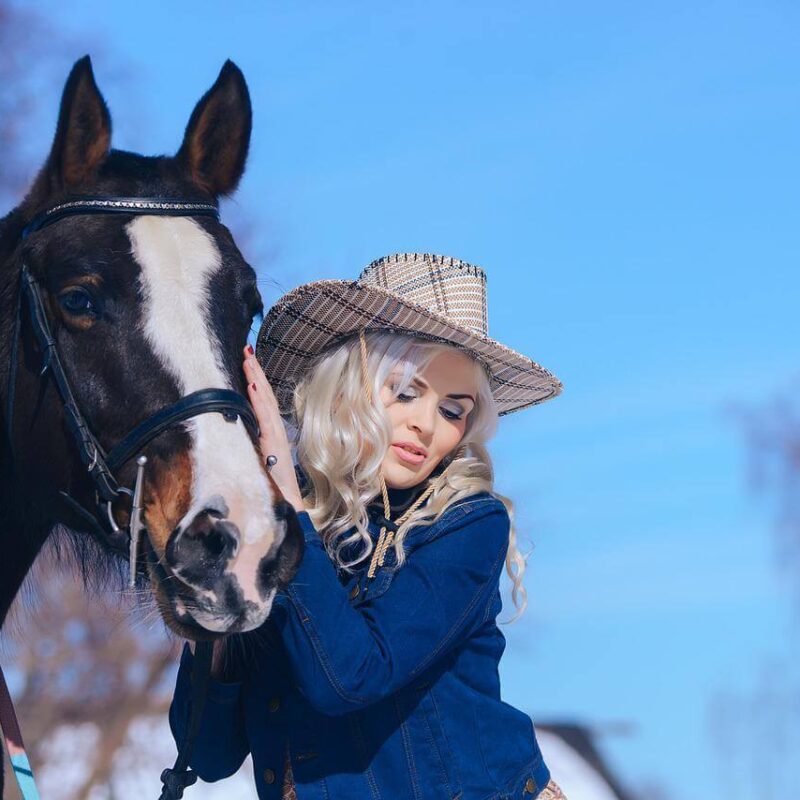
No other horses nearby? A goat, sheep, or even a chicken can provide comfort. Donkeys are particularly empathetic—their loud braying often soothes anxious horses. And never underestimate your role! Spending time grooming, hand-grazing, or simply sitting nearby (horses find human chatter calming) can ease loneliness.
Stable Enrichment: The Art of Distraction
When separation is unavoidable (like during transport), enrich their environment. Hang a likit toy, provide slow-feed hay nets, or play soft radio music. One study found classical music reduced stress in stabled horses. Mirrors can also help—some horses interact with their reflection, though others ignore it.
The Human Factor: Our Role in Their Happiness
We often project our own ideas of solitude onto horses. “He’s fine alone—he’s independent!” But horses don’t crave solitude like some humans might. Their brains are wired to seek connection. By prioritizing their social needs, we honor their true nature. That might mean rearranging barn schedules so turnout times overlap or advocating for herd-friendly boarding facilities. Small changes, monumental impact.
Next time you see your horse nuzzling a friend or nickering at your approach, remember: those gestures are more than habit. They’re proof of a heart that thrives on togetherness. In a world where horses are often treated as athletes or ornaments, let’s not forget they’re emotional beings first. After all, isn’t that what we all want—to be seen, understood, and never left standing alone in the field?
Can You Ride a Horse With White Line Disease? Expert Tips & Safety Advice
Can You Ride a Horse With White Line Disease? Expert Tips & Safety Advice
Related Posts

Do Horses Get Ticks? How to Protect Your Equine Friend – Essential Tips

Do Horses Have Canine Teeth? Discover the Surprising Truth About Equine Teeth

Do Horses Eat Straw? Benefits, Risks & Feeding Tips for Your Horse

Can You Ride a Horse With White Line Disease? Expert Tips & Safety Advice

What Is a Stringhalt in Horses: Causes, Signs & Treatment Guide

What Sound Does a Horse Make in Words? Fun Facts Revealed