
Do Horses Like Being Pet? What You Need to Know About Their Preferences
There’s something magical about running your hand along a horse’s velvety neck, feeling the warmth of their coat and the quiet strength beneath. But have you ever wondered if they truly enjoy it? Horses, with their expressive eyes and subtle body language, don’t communicate like dogs or cats. So, do horses like being pet? The answer isn’t a simple yes or no—it depends on the horse, their personality, and how you approach them. Some lean into your touch with a contented sigh, while others may flick an ear or step away, signaling they’d rather not. Understanding their cues is key to building trust and ensuring your affection is welcome. Let’s explore what makes a horse enjoy—or tolerate—being petted and how to read their reactions like a pro.
How Horses Communicate Their Preferences
Horses are masters of subtlety. Unlike a wagging tail or a purr, their signals can be easy to miss if you’re not paying attention. A relaxed horse might lower their head, soften their eyes, or even lick their lips—a sign of contentment. On the flip side, pinned ears, a swishing tail, or tense muscles suggest irritation or discomfort. Body language is their primary way of saying, “Yes, please” or “No, thanks.” For example, if a horse turns toward you or nudges your hand, they’re likely inviting more interaction. But if they sidestep or avoid contact, respect their space. It’s all about consent.
Where Horses Love (and Hate) Being Touched
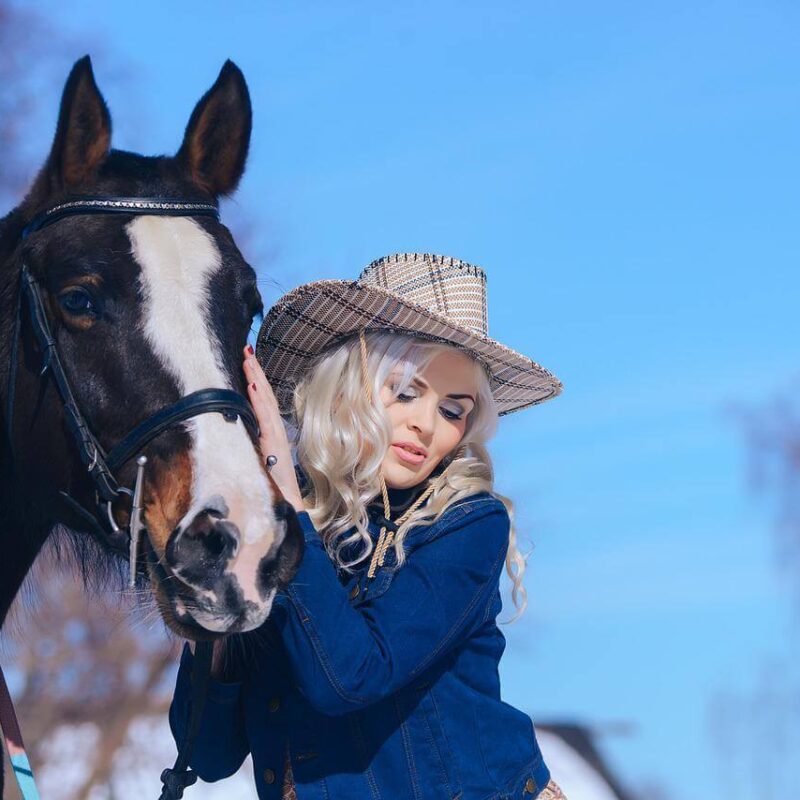
Not all spots are created equal in a horse’s world. Most enjoy gentle strokes along the neck, withers, or shoulder—areas they can’t easily reach themselves. Scratch the base of the mane or behind the ears, and you might hit the jackpot of equine bliss. However, sensitive areas like the legs, belly, or muzzle can make them uneasy unless they know you well. Sudden touches near the flanks or tail might startle them, triggering a defensive kick. Always approach slowly, let them sniff your hand first, and observe their reaction. A happy horse will often lean into the pressure, much like a cat arching into a scratch.
Why Some Horses Are More Receptive Than Others
Just like people, horses have distinct personalities. A well-socialized horse who’s had positive human interactions since foalhood will likely enjoy petting. Others, especially those with past trauma or limited handling, may be wary. Breed and temperament play roles too—a calm Quarter Horse might adore attention, while a high-strung Thoroughbred could be more selective. Age also matters; older horses often appreciate gentle grooming, while youngsters might be too busy exploring the world to stand still. Patience is crucial. Let the horse set the pace, and never force interaction.
The Science Behind the Connection
Studies suggest that horses release oxytocin—the “bonding hormone”—during positive human contact, similar to dogs. This explains why some horses visibly relax when groomed or petted by someone they trust. Yet, they’re also prey animals, hardwired to be cautious. Their tolerance for touch depends on how safe they feel. A 2018 study in the journal Animals found that horses responded more favorably to slow, rhythmic strokes than to abrupt pats. So, if you want to be a horse’s favorite human, think less “pat-pat” and more “long, soothing strokes.”
How to Pet a Horse the Right Way
First, always approach from the side, not directly head-on—it’s less intimidating. Speak softly so they know you’re there. Start with a light touch on the shoulder, then gradually move to other areas if they seem comfortable. Use an open hand rather than fingertips to avoid tickling. Watch for signs of enjoyment: a drooping lower lip, half-closed eyes, or a gentle sway. If they walk away, don’t take it personally. Some days, they’re just not in the mood. And never surprise a horse from behind; you’re asking for a startled reaction.
- Do: Let them sniff you first, go slow, and follow their lead.
- Don’t: Crowd them, pat too hard, or ignore their signals.
Building Trust Over Time
Trust isn’t built in a day. Spend time with a horse without expecting anything in return. Offer a treat (with permission), groom them, or simply stand quietly nearby. Over time, they’ll associate you with positive experiences. One rider shared how her rescue horse, initially skittish, began resting his head on her shoulder after months of patient bonding. That’s the ultimate equine compliment—a sign they feel safe and cherished.
At the end of the day, whether a horse likes being pet comes down to respect and relationship. When you learn their language and honor their boundaries, you’re not just petting a horse—you’re having a conversation. And that’s where the real magic happens. So next time you reach out, remember: the best connections are built one gentle touch at a time.
Do Horses Know They Are Racing? Discover the Surprising Truth
Do Horses Know They Are Racing? Discover the Surprising Truth
Related Posts

Do Horses Laugh? Discover the Surprising Truth Behind Equine Smiles

Do Horses Know They Are Racing? Discover the Surprising Truth

Do Horses Have Twins? The Surprising Truth About Equine Births

Do Horses Have Knees? The Surprising Truth About Horse Anatomy

Do Horses Get Ticks? How to Protect Your Equine Friend – Essential Tips

Do Horses Have Canine Teeth? Discover the Surprising Truth About Equine Teeth