
Do Horses Laugh? Discover the Surprising Truth Behind Equine Smiles
The first time I saw my horse curl his upper lip, baring his teeth in what looked like a goofy grin, I couldn’t help but laugh. Was he laughing too? That moment sparked a deeper curiosity—do horses actually laugh, or is there more to those equine «smiles» than meets the eye? Let’s unravel the mystery behind those charming facial expressions.
Do Horses Laugh? The Short Answer
Horses don’t laugh the way humans do—no chuckles, giggles, or belly laughs. But they do express joy, relaxation, and even humor in their own unique ways. That «smile» you see? It’s often the flehmen response, a curled-lip gesture that helps them analyze scents. Yet, horses also play, nuzzle, and engage in behaviors that suggest a lightheartedness akin to laughter. Their vocalizations—like soft nickers or playful snorts—can even sound like quiet amusement. So while they might not crack jokes, their body language speaks volumes about their emotional world.
Decoding Equine Expressions
Horses communicate through subtle cues, and their «smiles» are no exception. Here’s what those expressions really mean:
The Flehmen Response: Not a Smile, But Fascinating
When a horse curls its lip, exposing front teeth, it’s often collecting pheromones or scents from the air. This behavior, called the flehmen response, helps them process information—like detecting a mare in heat or identifying a new smell. It’s a far cry from human laughter, but it’s undeniably captivating.
Playful Gestures: The Equine Equivalent of Giggles
Foals gallop in zigzags, adult horses engage in mock fights, and some even «play bow» (lowering their front legs invitingly). These antics, paired with relaxed ears and bright eyes, hint at a sense of fun. Researchers believe play releases endorphins, creating a natural high similar to the joy humans feel when laughing.
Sounds That Suggest Happiness
While horses lack a «ha-ha» sound, their vocalizations reveal contentment:
- Nickers: Soft, low-pitched greetings, often between bonded horses or toward trusted humans.
- Snorts: Quick exhalations signaling curiosity or excitement—think of it as an equine «Wow!»
- Blows: Relaxed exhales through the nose, common during grooming or peaceful moments.
How Horses Show Affection (It Might Melt Your Heart)
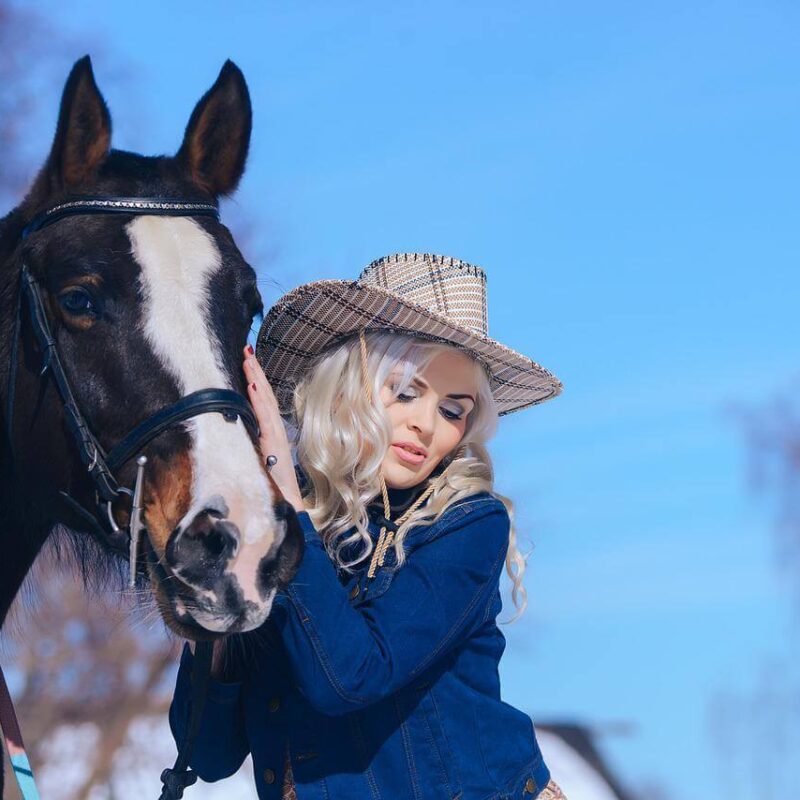
Ever had a horse rest its head on your shoulder or gently nibble your sleeve? These gestures, paired with half-closed eyes and a lowered neck, are their way of saying, «You’re my favorite human.» While not laughter, the warmth behind these actions is just as uplifting.
The Science Behind Equine Emotions
Studies confirm horses experience positive emotions—like joy and anticipation—especially during social interactions or rewarding activities (hello, treat time!). Their heart rates lower when stroked, and they form deep bonds, proving their emotional depth goes beyond instinct.
When a Horse’s «Smile» Signals Trouble
Not all bared teeth are friendly. A tense mouth, pinned ears, or aggressive snapping can indicate pain or irritation. Always assess the full context—body language never lies.
How to Make Your Horse «Happy»
Want to see your horse’s version of a smile? Try:
- Daily turnout with equine friends
- Engaging training sessions (positive reinforcement works wonders)
- Scratching their favorite spots (try the withers!)
Standing in the golden light of the pasture, watching your horse trot over with ears pricked and eyes soft, you’ll feel it—the unspoken joy that connects you. They may not laugh out loud, but their happiness is real, contagious, and written in every whuffle and nuzzle. And really, isn’t that better than a punchline?
Related Posts

Do Horses Like Being Pet? What You Need to Know About Their Preferences

Do Horses Know They Are Racing? Discover the Surprising Truth

Do Horses Have Twins? The Surprising Truth About Equine Births

Do Horses Have Knees? The Surprising Truth About Horse Anatomy

Do Horses Get Ticks? How to Protect Your Equine Friend – Essential Tips

Do Horses Have Canine Teeth? Discover the Surprising Truth About Equine Teeth