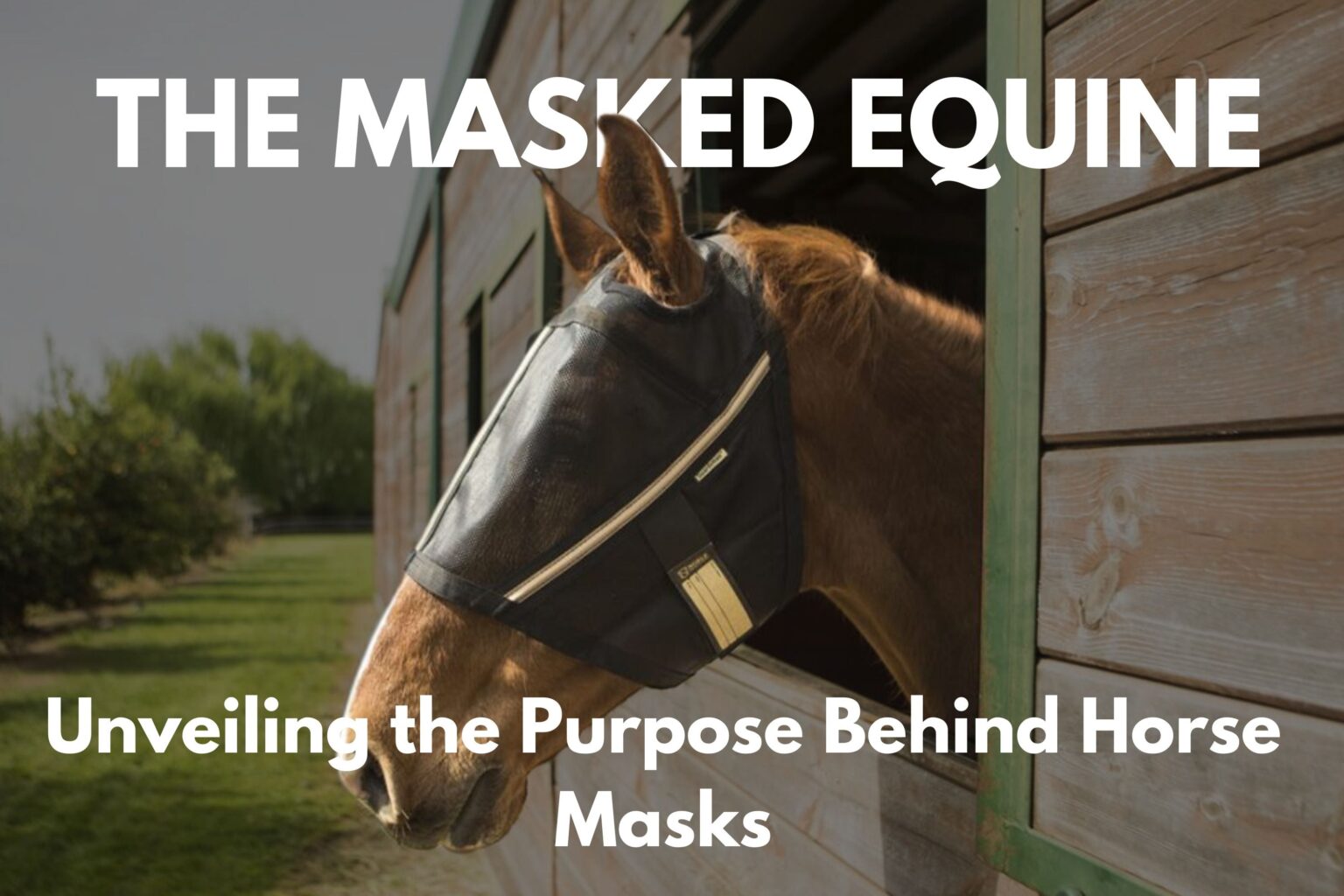
Why do horses wear masks?
Shielding Against Airborne Irritants
Have you ever wondered about those peculiar masks adorning the faces of horses? Behind this equine accessory lies a multitude of purposes, primarily revolving around safeguarding these majestic creatures from airborne irritants and insect pests.
Horses, with their heightened sensitivity and reliance on their respiratory systems, are particularly vulnerable to environmental factors that can impede their breathing and overall well-being. Enter the horse mask, a clever solution that acts as a barrier against:
- Dust and debris: The equine respiratory tract is remarkably delicate, and exposure to excessive dust particles can lead to irritation, inflammation, and potentially severe respiratory issues. Horse masks filter out these microscopic invaders, allowing the animal to breathe freely without compromising its lung health.
- Pollen and allergens: Just like humans, horses can suffer from allergic reactions triggered by airborne pollen, mold spores, and other allergens. Wearing a mask helps minimize exposure to these irritants, reducing the risk of allergic responses and ensuring the horse’s comfort during outdoor activities or hay feeding.
➤ Also Read: Why do horses foam at the mouth?
Fending Off Pesky Insects
Beyond airborne particulates, horse masks also serve as a formidable defense against another equine nuisance: insects. Flies, mosquitoes, and other biting pests can not only cause irritation and distress but also potentially transmit diseases or introduce bacteria into open wounds.
By covering the horse’s eyes, ears, and muzzle, these masks create a physical barrier that:
- Prevents insects from entering sensitive areas, reducing the risk of eye and ear infections or irritations.
- Protects the horse’s face from bites and stings, which can cause discomfort, inflammation, and potential allergic reactions.
- Allows the horse to focus on its tasks or training without the constant annoyance of swatting away pesky insects.
Injury Prevention and Post-Operative Care
Horse masks find utility beyond respiratory protection and insect deterrence. In certain scenarios, they play a crucial role in injury prevention and post-operative care:
- Protecting facial wounds: After sustaining facial injuries or undergoing surgical procedures, horse masks can safeguard the affected area from further trauma, dust, insects, and potential infection while the healing process takes place.
- Preventing self-mutilation: Some horses may exhibit behaviors such as rubbing or striking their faces against objects, potentially causing self-inflicted wounds. Wearing a mask can prevent this and ensure the safety of the animal during transportation or recovery periods.
Enhancing Performance and Focus
Beyond their protective functions, horse masks can also contribute to improved performance and focus during training, competitions, or transportation. By minimizing distractions and discomfort caused by environmental factors, these masks allow the horse to:
- Concentrate on its tasks without the disturbance of insects or airborne irritants.
- Maintain a calm and focused demeanor, which is essential for optimal performance in various equestrian disciplines.
- Travel comfortably without respiratory distress or agitation, ensuring a smooth and stress-free journey.
Choosing the Right Mask: Factors to Consider
With the numerous benefits of horse masks, it’s essential to select the appropriate type based on your horse’s specific needs and activities. Here are some key factors to consider:
- Breathability: Look for masks made from breathable, moisture-wicking materials that allow proper airflow while still providing effective protection.
- Comfort and fit: Ensure the mask fits snugly without causing discomfort or rubbing, as an ill-fitting mask can defeat its purpose and potentially cause harm.
- Visibility: For activities that require clear vision, opt for masks with mesh or transparent panels that allow the horse to maintain an unobstructed view.
- Durability: Choose masks crafted from sturdy, long-lasting materials that can withstand the rigors of equine use and regular cleaning.
By taking these factors into account, you can find the perfect mask that caters to your horse’s specific needs, ensuring its comfort, safety, and optimal performance.
Looking for the perfect gift to dazzle any horse lover? Explore our elegant horseshoe necklace and timeless gold horseshoe necklace for a touch of luck and sophistication. Add charm to their style with stunning horse earrings or delicate horseshoe earrings. For a more personal statement, discover our exquisite horse bracelet or eye-catching horse brooch. And don’t miss the horse watch for a practical yet stylish addition to any equestrian’s wardrobe. Celebrate their passion with these unique, horse-inspired treasures!
Frequently Asked Questions
Q1: Are horse masks necessary for all horses? A1: The necessity of horse masks depends on the individual horse’s needs, environment, and activities. Horses prone to respiratory issues, allergies, or those frequently exposed to dust, pollen, or insects may benefit greatly from wearing a mask. However, for horses in environments with minimal irritants, masks may not be essential.
Q2: Can horses wear masks all the time? A2: While horse masks are designed for extended wear, it’s generally recommended to remove them during periods of rest, feeding, or when the horse is stabled in a clean and controlled environment. Prolonged, continuous wear may cause discomfort or skin irritation.
Q3: Are horse masks safe for transportation? A3: Yes, horse masks are often recommended for transportation, as they can help minimize stress and respiratory distress caused by unfamiliar environments, dust, or insect exposure during travel. Just ensure the mask fits properly and doesn’t obstruct the horse’s vision or breathing.
Q4: How do I clean and maintain a horse mask? A4: Regular cleaning and maintenance are crucial for horse masks. Follow the manufacturer’s instructions, but generally, you can hand-wash the mask with a mild detergent and allow it to air dry thoroughly before reuse. Inspect the mask regularly for any signs of damage or wear and replace it as needed.
Q5: Can horse masks be used for other purposes? A5: While horse masks are primarily designed for respiratory protection and insect deterrence, they can also serve additional purposes. For example, some owners use them to prevent horses from rubbing their faces against stable walls or fences, or to protect facial injuries during the healing process.
By understanding the multifaceted benefits of horse masks and selecting the appropriate type for your equine companion, you can ensure their comfort, health, and safety during various activities and environments.
What is the Normal Temperature for a Horse?
Why Do We Mount Horses from the Left Side?
Related Posts

Is It Illegal to Ride a Horse on the Street? Know the Road Laws in Your Area

Is Horse Riding Dangerous? Real Safety Stats Parents Must Read

How to Bury a Horse: Compassionate and Legal Options for End-of-Life Care

MC Stalls: Why Are They Every Farmers Secret Weapon?

How Wide Is a Horse? Standard Measurements for Trailers – Must-Know Facts

Is Clover Good for Horses? When This Pasture Plant Becomes a Health Risk

Is Corn Good for Horses? The Truth About Feeding Corn vs. Traditional Grains