
Why Do Horses Have Tails? The Surprising Reasons Behind Them
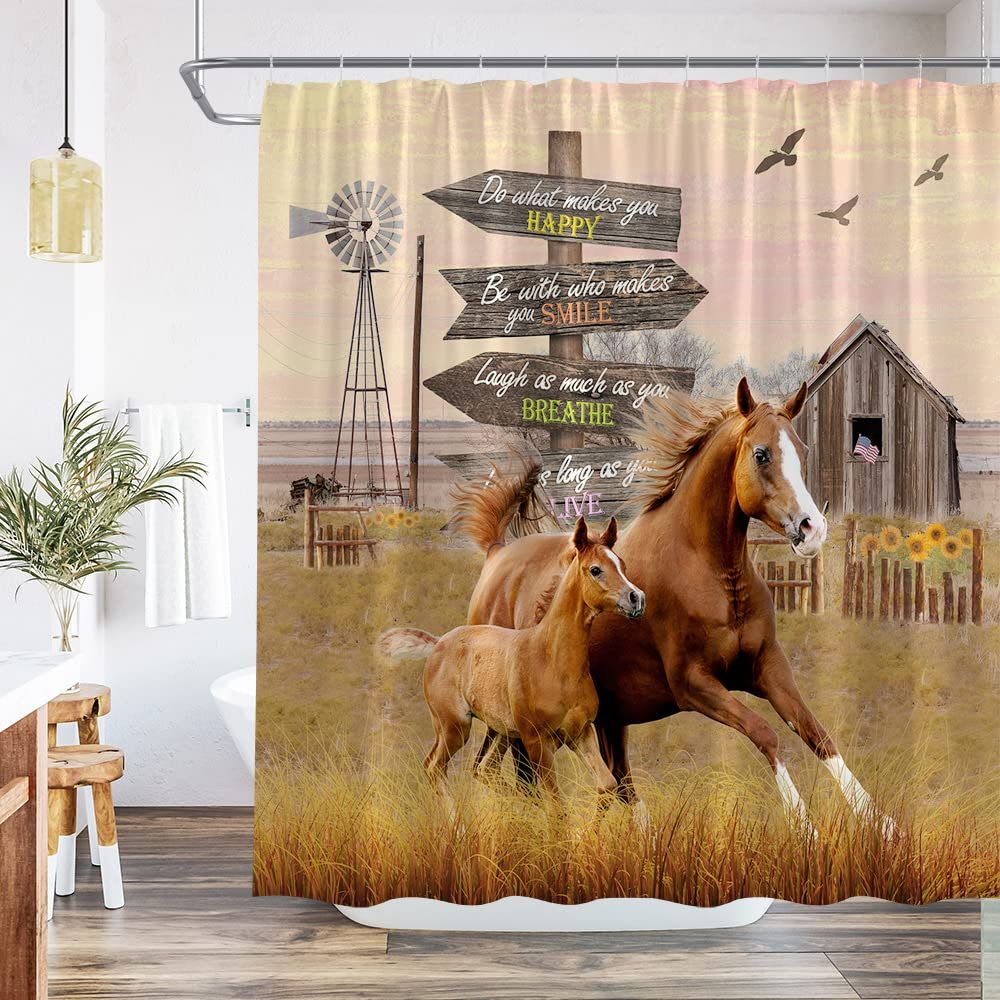
Picture a horse galloping freely across a meadow, its tail streaming behind like a silken banner catching the wind. There’s something undeniably majestic about that flowing tail—but have you ever stopped to wonder why horses have them? Beyond their beauty, horse tails serve surprising and vital roles, from communication to survival. Let’s unravel the fascinating reasons behind nature’s elegant design.
Why Do Horses Have Tails? The Essential Answer
Horse tails aren’t just for show—they’re multitasking marvels honed by evolution. At their core, tails help horses swat away flies, regulate body temperature, and communicate emotions. Made of long, coarse hairs anchored to a bony extension of the spine (the coccygeal vertebrae), tails are both delicate and powerful tools. But let’s be honest: their elegance often steals the spotlight. Yet, beneath that glamour lies a survival toolkit. Wild horses rely on their tails to flick off biting insects, while domestic horses use them to signal mood—think of a raised tail in excitement or a clamped one in fear. And here’s a kicker: tails even help horses balance during sharp turns or sudden stops. No wonder they’ve lasted millennia!
The Practical Uses of a Horse’s Tail
Fly Swatting and Pest Defense
Imagine the relentless buzz of flies on a hot summer day—now picture your horse’s tail as its built-in flyswatter. The long, whip-like motion effectively deters insects, preventing painful bites and infections. Horses can target specific spots, flicking with precision. It’s not just about comfort; flies carry diseases, and a functional tail is the first line of defense.
Temperature Regulation
Ever noticed a horse holding its tail close in winter? That’s no coincidence. Tails help trap body heat against chilly winds. In summer, the opposite happens—tails whisk away sweat and allow air circulation. This natural thermostat is especially crucial for wild herds enduring extreme climates.
Balance and Movement
Tails act like rudders. During gallops or sudden dodges, the tail’s weight and motion aid stability. Foals learning to run often look comically uncoordinated—partly because they haven’t mastered tail control yet. For adult horses, every flick or shift fine-tunes their agility.
The Hidden Language of Tails
A horse’s tail speaks volumes if you know how to listen. A high-held tail signals excitement or alertness—common during play or when spotting something intriguing. A clamped tail? Fear or submission. Swishing can mean irritation, while slow, rhythmic movements often indicate relaxation. Riders and trainers learn to read these cues like a second language.
Tails in Evolution and Breeds
Not all tails are created equal. Draft horses, like the majestic Shire, have thick, feathered tails, while Arabians sport high-carried, silky ones. These differences reflect breed histories—some evolved for cold climates, others for speed. And wild mustangs? Their tails are typically shorter and sturdier, built for durability in harsh terrains.
Human Influence on Horse Tails
From braiding to docking (a controversial practice of shortening tails for certain breeds), humans have shaped tails for aesthetics or function. Yet, ethical debates simmer. A tail’s natural purpose is hard to improve upon—nature’s design already nails it.
Next time you see a horse’s tail swaying in the breeze, remember: it’s more than a pretty flourish. It’s a lifeline, a communicator, and a masterpiece of evolution. Whether whisking away flies or dancing with joy, that tail carries stories of survival, grace, and the unspoken bond between horses and those who cherish them. 🌿
Why Do Horses Drool? 5 Surprising Reasons Explained
Why Do Girls Like Horses? 5 Fascinating Reasons Explained
Related Posts

Can a Bear Outrun a Horse? The Surprising Truth

Are Horses Stupid? 5 Surprising Facts About Equine Intelligence

Are Horses Native to Africa? The Surprising Truth

Are Horses Good Pets? 5 Surprising Benefits to Consider

Are Horses Faster Than Camels? The Ultimate Speed Showdown

Are Horse Shoes Good for Horses? Unveiling the Truth

Are Horse Hooves Like Nails? Uncovering the Surprising Similarities