
What is a PRE Horse: The History & Elegance of Pure Spanish Horses Explained
Picture the rhythmic drum of hooves on sunbaked Spanish soil, the arched neck of a majestic stallion gleaming under the Andalusian sun, its mane rippling like waves in a storm. This is the PRE horse—a living masterpiece of grace, power, and history. But what exactly sets this breed apart? The Pura Raza Española (PRE), or Pure Spanish Horse, isn’t just a symbol of equine beauty; it’s a centuries-old legacy woven into the fabric of Iberian culture, from royal courts to modern dressage arenas. Known for its athleticism, intelligence, and soulful presence, the PRE is a horse that doesn’t just move—it captivates. Let’s unravel the story behind these regal creatures and discover why they’re adored by riders and historians alike.
The Origins and Legacy of the PRE Horse
The roots of the PRE horse stretch deep into antiquity, with historians tracing its lineage to the Iberian Peninsula over 3,000 years ago. These horses were shaped by the land itself—rugged mountains, arid plains, and a climate that demanded resilience. Phoenician and Carthaginian traders prized them, while the Romans marveled at their agility in battle. Yet it was during the Renaissance that the breed truly flourished, refined by Spanish breeders into the elegant, baroque-style horse we recognize today. Kings and conquistadors rode PREs, their presence a mark of prestige. Even Christopher Columbus relied on them during his voyages to the New World, where their genes influenced breeds like the Paso Fino and Peruvian Horse.
The PRE in War and Peace
Beyond their beauty, PRE horses were born for purpose. Their strength and nimbleness made them ideal for cavalry charges, while their calm demeanor suited them for classical dressage—a discipline where they still excel. The Spanish Riding School of Vienna, though famed for Lipizzaners, originally trained PREs for haute école maneuvers. Today, they’re stars in show rings and working equitation, proving their versatility hasn’t dimmed with time.
The Anatomy of Elegance: Defining PRE Traits
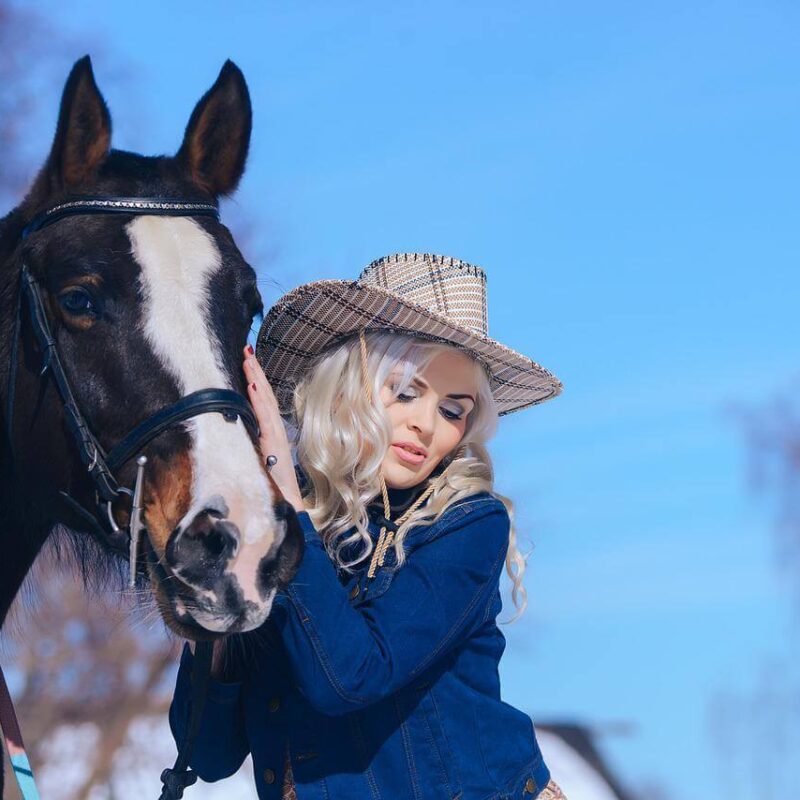
Spotting a PRE horse is like recognizing a Michelangelo sculpture—every curve tells a story. Their most striking feature? The convex "Roman" profile, a gentle arch from forehead to nose, exuding nobility. Coupled with a thick, often wavy mane and a compact yet muscular build, they’re the epitome of balanced proportions. But it’s their movement that steals hearts: elevated, rhythmic gaits that seem to float, thanks to powerful hindquarters and elastic joints. Coat colors range from lustrous bays and blacks to rare pearls and duns, each hue intensified by their natural shine.
Temperament: Fire and Gentleness Combined
Don’t let their regal bearing fool you—PRE horses are as intelligent as they are sensitive. They form deep bonds with handlers, responding to subtle cues with an almost intuitive understanding. This "willingness to please" makes them superb partners in dressage, though their spirited nature requires a skilled, patient rider. As one breeder quipped, "They’re not just horses; they’re conversations."
The PRE Today: Preservation and Passion
In 1912, Spain established the PRE Horse Studbook to protect the breed’s purity, and strict registration standards ensure only the finest bloodlines continue. Modern PREs shine in competitions worldwide, but they’re also cherished as family horses, therapy animals, and even actors (remember "The Lord of the Rings’" noble steeds?). Yet challenges remain—climate change and shrinking pastures threaten traditional breeding farms in Andalusia, sparking global efforts to preserve their genetic heritage.
Owning a Piece of History
For those dreaming of owning a PRE horse, prepare for a lifelong love affair. Prices vary from $10,000 for a young prospect to six figures for proven champions. But beyond cost, it’s about commitment—their longevity (often 25+ years) means they’re not just purchases; they’re legacies.
Standing beside a PRE, feeling its breath warm against your palm, you’re not just touching a horse—you’re connecting with centuries of art, war, and devotion. These horses aren’t merely bred; they’re cherished. And in their dark, expressive eyes, you’ll glimpse the soul of Spain itself. Whether under saddle or silhouetted against a golden sunset, the PRE horse remains, undeniably, a poem in motion. 🐎
Previous post
What Does Floating a Horses Teeth Mean? Vital Health Routine Explained
Next post
What Does Floating a Horses Teeth Mean? Vital Health Routine Explained
Related Posts

Are Horses Aggressive? Spot Danger Signs in Their Body Language
The scent of fresh hay mingles with the earthy musk of a horse’s coat as you step into the stable. Your heart races—not from...
Feb 08 2026

Are Horses Smart Animals? New Studies Reveal Equine Intelligence
Picture this: a horse stands calmly as its rider adjusts the saddle, ears flicking curiously when a bird chirps nearby. Moments later, it responds...
Feb 08 2026

Where Can I Pet Horses Near Me: How to Find Local Farms & Rescues for a Visit
The moment you step into a sunlit paddock, the earthy scent of hay mingling with the soft whuff of a horse’s breath, you remember...
Feb 07 2026

Where Horses Are Kept: From Luxury Stables to Open Pastures
The moment you step into a stable, the scent of fresh hay mingles with the warm, earthy musk of horses—a smell that instantly transports...
Feb 07 2026

Why Is Horse Sperm So Expensive: The Shocking Reality of Elite Stallion Breeding Fees
The unmistakable scent of hay, the rhythmic snorts of a prized stallion, and the hushed excitement of breeders gathered at an auction—these are the...
Feb 06 2026

Why Is It Illegal to Bury a Horse? Environmental & Zoning Laws Explained
The scent of freshly turned earth lingers in the air as a gentle breeze rustles through the pasture—a quiet moment that belies the complex...
Feb 06 2026

Where Are the Withers on a Horse: Why This Specific Point Is Crucial for Saddle Fit
Ever run your hand along a horse’s back and felt that prominent ridge just behind its neck? That’s the withers—the unsung hero of proper...
Feb 05 2026

What Is Horse Sperm Used For? Beyond Breeding—Discover the Science of Equine Genetics
The scent of fresh hay mingles with the earthy musk of a stable as a prized stallion stands tall, his powerful presence a testament...
Feb 05 2026