
What Is a Bridle Horse? The Ultimate Guide to These Majestic Animals
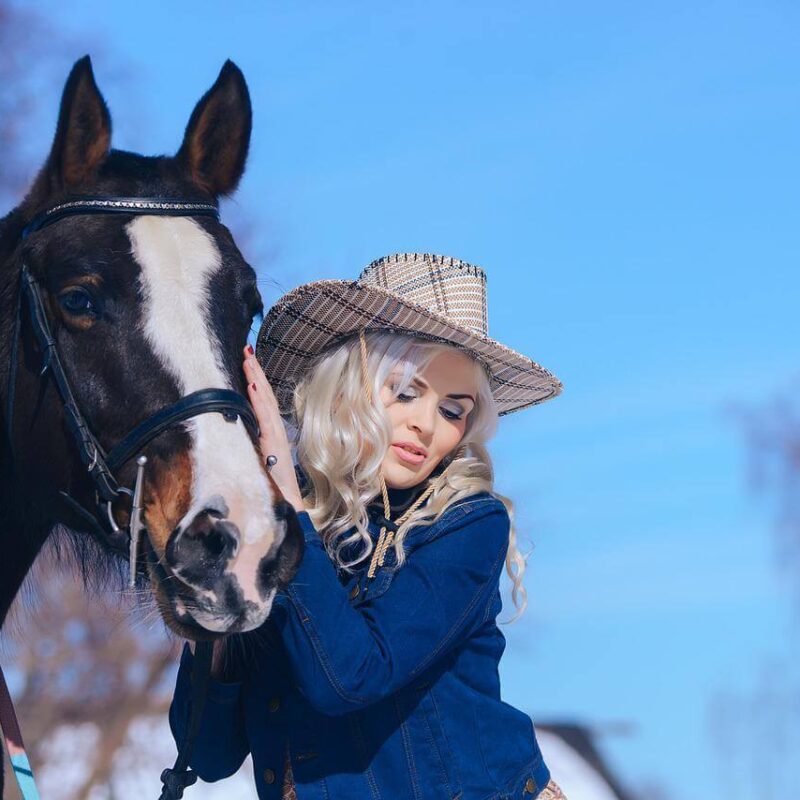
Imagine standing at the edge of a sunlit pasture, the crisp scent of hay mingling with the warm, earthy aroma of horses. One majestic creature catches your eye—a horse moving with effortless grace, its head held high, guided by the subtle cues of a rider’s hands. This is the beauty of a bridle horse, an animal trained to respond with precision and harmony. But what exactly is a bridle horse? Simply put, it’s a horse skilled in working with a bridle, a piece of tack that allows refined communication between rider and steed. These horses are often seen in disciplines like dressage, reining, or traditional vaquero horsemanship, where finesse and partnership take center stage. Unlike green or less-trained mounts, a bridle horse understands nuanced cues, making every movement seem like a dance. Whether you’re a seasoned equestrian or simply horse-curious, uncovering the world of bridle horses reveals a fascinating blend of history, training, and pure equine artistry.
The Origins and History of Bridle Horses
The legacy of the bridle horse traces back centuries, rooted in both necessity and tradition. In the rugged landscapes of Old California, vaqueros—skilled horsemen—developed these animals to work cattle with minimal effort and maximum precision. They used a bosal (a rawhide noseband) before transitioning to the bridle, refining the horse’s responsiveness over years of patient training. But this wasn’t just practical—it was an art form. The bridle horse became a symbol of trust, a partnership where cues were whispered rather than shouted. Today, this tradition lives on in Western performance events and classical dressage, where the bridle remains a testament to the deep connection between horse and rider.
From Bosal to Bridle: The Training Journey
Training a bridle horse is a slow, deliberate process. Young horses often start in a bosal, learning to flex and yield to pressure without the complexity of a bit. As they mature, they transition to a hackamore, then finally to a bridle with a spade or grazing bit—tools designed for subtle communication. The goal? A horse so attuned to its rider that the lightest touch of the reins or shift in weight speaks volumes. This journey can take years, requiring patience, skill, and a profound understanding of equine psychology.
Anatomy of a Bridle: More Than Just a Bit
While the bit is the most recognizable part, a bridle is a sophisticated system. Key components include:
- Headstall: The crownpiece that holds everything together.
- Bit: Ranging from simple snaffles to ornate spade bits, chosen based on the horse’s training level.
- Reins: Often split or closed, providing direct or indirect pressure.
- Curbs and Chains: Used to apply leverage, encouraging collection and refinement.
Each piece plays a role in shaping the horse’s movement, making the bridle a true instrument of communication. ✨
Disciplines That Celebrate Bridle Horses
Not all bridle horses are created equal—their skills shine in different arenas. In dressage, riders seek fluidity and precision, while reining horses dazzle with sliding stops and spins. Traditional vaquero horsemanship, however, remains the heart of bridle horse culture, where the animal’s ability to work cattle with elegance takes center stage. No matter the discipline, the bond between horse and rider is palpable, a silent dialogue of respect and understanding.
Training Secrets: What Makes a Great Bridle Horse?
The best bridle horses aren’t just born—they’re made. Key traits include:
- Patience: Rushing training leads to confusion; slow and steady wins the race.
- Softness: A horse must yield willingly, not out of force.
- Trust: Without it, even the most advanced techniques fall flat.
Trainers often emphasize groundwork before ever mounting, ensuring the horse understands pressure and release. It’s a dance of give-and-take, where timing is everything.
Common Misconceptions About Bridle Horses
Some assume bridle horses are “finished” or robotic, but nothing could be further from the truth. These animals are dynamic, thinking partners. Another myth? That harsh bits equal harsh training. In reality, well-schooled bridle horses respond to the lightest touch—excessive force is a sign of poor training, not tradition.
Caring for a Bridle Horse: Beyond the Tack
Owning a bridle horse isn’t just about training; it’s about holistic care. Regular dental check-ups ensure the bit sits comfortably, while proper nutrition keeps the horse energized yet calm. Mental stimulation, like varied workouts, prevents boredom—because even the most disciplined horse needs joy in its routine. 🐴❤️
Finding Your Own Bridle Horse
If you’re dreaming of partnering with a bridle horse, start by researching breeders or trainers specializing in your discipline of choice. Attend clinics, ask questions, and observe horses in action. Remember, the right partnership feels effortless—like the horse is reading your mind before you even ask.
Standing in that pasture, watching the sun glint off a bridle horse’s sleek coat, it’s easy to see why these animals captivate hearts. They’re more than trained mounts—they’re living proof of what happens when patience, skill, and mutual respect collide. Whether you’re yearning to ride one or simply admire their grace, the world of bridle horses invites you to witness the quiet magic of partnership. After all, in their careful steps and willing hearts, we find a reminder of the beauty that unfolds when two beings truly listen to each other.
What Are Appaloosa Horses Used for? Discover Their Versatile Roles
What Is a Cimarron Horse: Traits, History & Care
Related Posts

What Is a Cimarron Horse: Traits, History & Care

What Are Appaloosa Horses Used for? Discover Their Versatile Roles

How to Start a Horse Rescue: 5 Essential Steps for Success

How to Sell a Horse Fast: Proven Tips for a Smooth Sale

What Do Wild Horses Do About Their Hooves – Natural Hoof Care Explained

How Tall Is a Draft Horse? Surprising Height Facts Revealed