
What Do You Need for a Horse? Essential Gear & Care Tips!
he first time I saddled a horse, I fumbled with the buckles, my fingers stiff with excitement. The leather felt warm and supple, smelling of hay and saddle soap—a scent that’s since become my favorite. If you’re new to horse ownership, that mix of thrill and uncertainty is familiar. But fret not! Whether you’re adopting your first equine partner or refreshing your knowledge, here’s what you truly need for a horse: the right gear, daily care essentials, and a pinch of patience. 🐴
Essential Horse Gear: The Must-Have Checklist
Before your horse trots into your life, you’ll need equipment that keeps them safe, comfortable, and looking their best. Here’s the non-negotiable list:
1. Tack for Riding and Handling
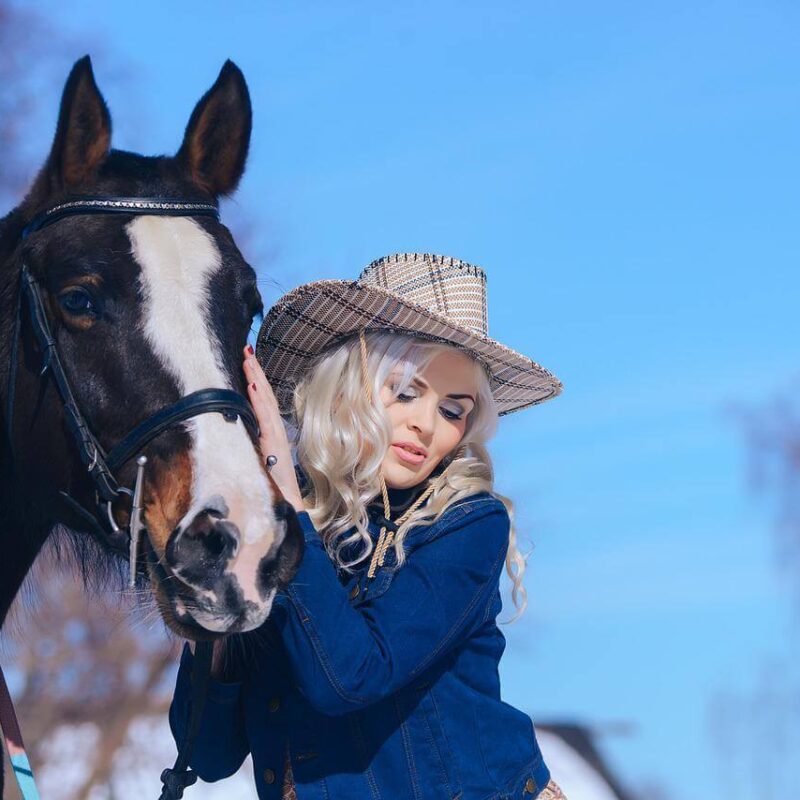
- Saddle and Bridle: These are the horse’s steering wheel and brakes. Choose one that fits both you and your horse—poor fit can cause sores or behavioral issues.
- Saddle Pad: Cushions the saddle and absorbs sweat. Memory foam or quilted designs offer extra comfort.
- Grooming Kit: A curry comb, dandy brush, and hoof pick are basics. Regular grooming strengthens your bond and keeps their coat gleaming.
2. Stable and Pasture Essentials
- Sturdy Halter and Lead Rope: For safe handling. Opt for breakaway styles to prevent accidents.
- Water Troughs and Feed Buckets: Horses drink 5–10 gallons daily. Automatic waterers save time, but always check for cleanliness.
- High-Quality Hay: The cornerstone of their diet. Store it in a dry, rodent-proof area to avoid mold.
Daily Horse Care: More Than Just Feed and Water
Caring for a horse isn’t a passive job. It’s early mornings mucking stalls and late nights checking fences. Here’s how to nail the routine:
1. Nutrition: Fueling Your Equine Athlete
Horses need a balanced diet of forage (hay/grass), grains (if needed), and supplements. Always provide clean, fresh water—dehydration can lead to colic, a common and deadly issue.
2. Hoof Care: No Hoof, No Horse
Schedule farrier visits every 6–8 weeks. Muddy pastures can cause thrush, while rocky terrain may require shoes. Listen for the rhythmic clip-clop of healthy hooves—it’s music to a horse owner’s ears.
3. Exercise and Mental Stimulation
A bored horse is a destructive one. Rotate pastures, introduce toys, or vary training routines. Even a 20-minute lunge session keeps them physically and mentally sharp.
Health and Emergency Preparedness
Horses are masters at hiding pain. Stay vigilant with:
- First-Aid Kit: Include wound ointment, bandages, and a thermometer. Know your vet’s number by heart.
- Vaccinations and Deworming: Work with your vet on a schedule. Regional risks vary—West Nile virus vs. Lyme disease, for example.
- Shelter: A three-sided run-in shed protects from rain, wind, and blistering sun.
The Heart of Horse Ownership: Time and Trust
Gear and checklists matter, but the magic lies in the moments between tasks. It’s the way your horse nickers when you arrive or rests their head on your shoulder after a long ride. They’ll challenge you, teach you patience, and reward you with loyalty that’s humbling. Whether you’re brushing burrs from a mane or watching them gallop across a field, these are the memories that stick. So stock up on hay, yes, but also on heart—because that’s what they’ll remember most.
What Do You Do With a Dead Horse? Surprising Uses Explained
Is Horse Riding the Most Dangerous Sport? The Shocking Truth Revealed
Related Posts

How to Build a Horse Barn: 5 Essential Steps for a Sturdy Shelter

Is Horse Riding the Most Dangerous Sport? The Shocking Truth Revealed

What Do You Do With a Dead Horse? Surprising Uses Explained

MC Ligament Injury: Causes

Should I Buy a Horse With a Suspensory? Tips & Advice

Should I Buy a Horse With Navicular? Tips for Smart Buyers