
How Long Does It Take to Learn Horse Riding? Tips for Beginners
The first time you swing a leg over a horse, the world tilts—literally. The ground seems farther away, the rhythm of hooves vibrates through your body, and suddenly, everything you thought you knew about balance gets flipped upside down. 🐎 Horse riding isn’t just about staying in the saddle; it’s a dance between you and a 1,000-pound animal, one that requires trust, patience, and time. So, how long does it take to learn? The short answer: It depends. But let’s unpack that.
The Timeline of Learning to Ride: From Beginner to Confident Equestrian
Learning to ride a horse isn’t like memorizing multiplication tables. There’s no fixed timeline because progress hinges on your goals, frequency of practice, and even the horse’s temperament. Here’s a rough breakdown:
First Few Lessons: The Basics (Weeks 1–4)
Your initial sessions focus on survival skills—mounting, dismounting, holding the reins, and not clinging to the saddle horn for dear life. Most beginners can walk comfortably (with supervision) after 4–6 lessons. Trotting? That’s when the real wobbling begins. Expect sore muscles you didn’t know existed. 😅
Building Confidence (Months 2–6)
By now, you’re starting to «talk» to the horse through subtle cues—pressure from your legs, shifts in your weight. Trotting becomes less of a wild bounce and more of a rhythm you can follow. Canter? Maybe. But let’s be honest: It’ll feel like flying and falling at the same time.
Independent Riding (6 Months–1 Year)
After half a year of weekly lessons, many riders can handle a well-trained horse without constant instruction. You’ll learn to guide your horse through patterns, small jumps, or trail rides. Yet, surprises happen—a sudden spook, a stubborn refusal—and that’s when you realize riding is as much about problem-solving as it is about skill.
Advanced Skills: Years and Beyond
Mastery? That’s a lifelong journey. Competitive riders spend years refining techniques like collected canters, flying lead changes, or dressage tests. Even seasoned pros say they’re always learning—because horses, like people, have moods and minds of their own.
Key Factors That Influence Your Progress
Why do some riders advance faster than others? These variables make all the difference:
- Frequency of lessons: Weekly rides beat monthly ones, hands down.
- Quality of instruction: A great teacher spots bad habits before they stick.
- Horse choice: Schoolmasters (patient, trained horses) build confidence faster.
- Fitness level: Strong core muscles = better balance.
- Fear tolerance: If you white-knuckle the reins, progress slows.
The Mental Game: Patience Over Perfection
Riding humbles everyone. One day, you’ll nail a perfect trot; the next, your horse might decide a stray plastic bag is mortal enemy #1. Progress isn’t linear. The key? Celebrate small wins. That time you stayed centered during a spook? Huge. The day your hands stayed soft instead of yanking the bit? Victory.
Horseback Riding Isn’t Just a Skill—It’s a Relationship
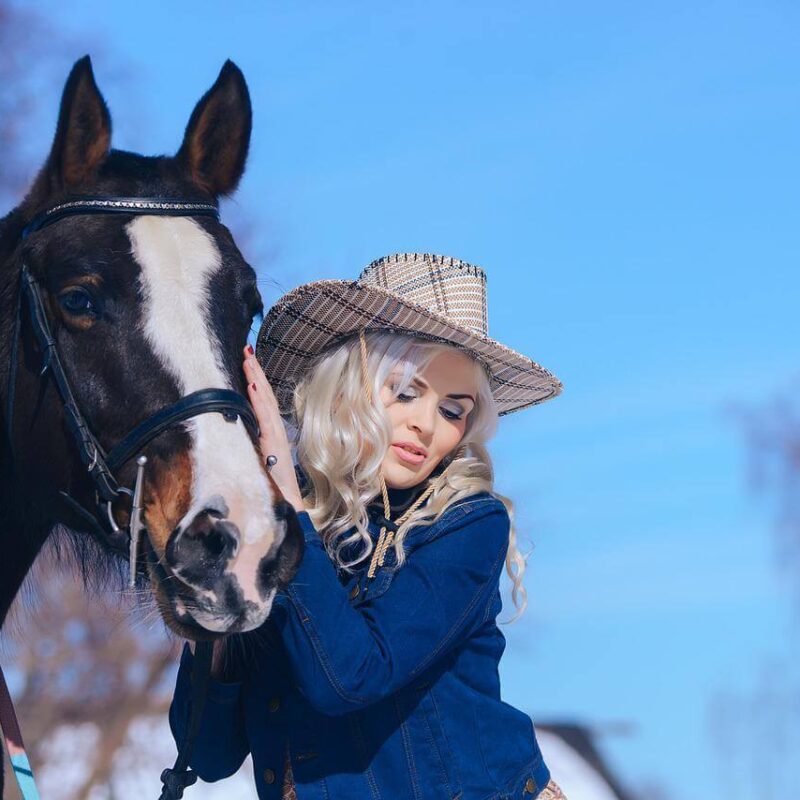
The magic of riding isn’t just in technical prowess. It’s in the partnership. When you learn to read a horse’s flicking ears or tense shoulders, you’re not just riding—you’re communicating. And that takes time, empathy, and countless hours in the saddle. Whether you’re dreaming of barrel racing or peaceful trail rides, remember: Every great rider was once a beginner who refused to give up.
So, how long does it take to learn horse riding? Long enough to fall in love with the journey. ❤️
How Long Is a Horse in Heat? Understanding the Estrus Cycle
How Do Wild Horses Trim Their Hooves? Natural Ways They Maintain Healthy Feet
Related Posts

How Long to Keep Horses Off Pasture After Seeding: Expert Tips

How Long Is a Horse in Heat? Understanding the Estrus Cycle

How Do Wild Horses Trim Their Hooves? Natural Ways They Maintain Healthy Feet

How Does Leasing a Horse Work? A Beginners Guide to Equestrian Leases

Do Wild Horses Have Hoof Problems? Surprising Facts Revealed

Do Horses See in Colour? The Surprising Truth About Equine Vision