
Discover This Iconic Western Breed: Americas Favorite Horse?
The scent of leather and hay lingers in the air as a golden-coated horse trots across an open field, its mane catching the sunlight like spun gold. There’s something undeniably magnetic about this breed—its confident stride, its gentle eyes, its unshakable connection to the American West. Could this be America’s favorite horse? The answer lies in the storied legacy of the American Quarter Horse, a breed so deeply woven into the nation’s history that it’s hard to imagine cowboys, rodeos, or even Hollywood westerns without it. Versatile, swift, and remarkably even-tempered, the Quarter Horse isn’t just an icon; it’s a living testament to the spirit of adventure and partnership between humans and horses. But let’s be honest—its popularity isn’t just about nostalgia. This breed excels in everything from barrel racing to ranch work, making it a top choice for riders of all levels. So, what makes the Quarter Horse so special? Buckle up; we’re about to dive into the heart of an American legend.
The Quarter Horse: A Breed Born from Speed and Grit
Long before rodeos and ranch shows, the American Quarter Horse earned its stripes on the racetracks of colonial America. Named for its unmatched speed in quarter-mile sprints, this breed was the original speed demon of the New World. But its roots run even deeper—back to the 1600s, when English Thoroughbreds were crossed with sturdy Spanish mustangs, creating a horse built for both agility and endurance. The result? A compact, muscular athlete with a low center of gravity, perfect for sharp turns and explosive bursts of speed. By the 1800s, these horses were the backbone of frontier life, herding cattle across vast plains and outrunning competitors in impromptu races. Yet it wasn’t just their physical prowess that won hearts. Their calm demeanor and eagerness to please made them indispensable partners to settlers and cowboys alike.
Why the Quarter Horse Dominates the West
Imagine a horse that can pivot on a dime, chase down a stray calf, then gently nudge a beginner rider through their first lesson. That’s the Quarter Horse. Its "cow sense"—an innate ability to read and react to cattle—is almost uncanny, a trait honed over generations of ranch work. Ranchers still swear by them today, but their talents don’t stop there. From reining competitions to therapeutic riding programs, this breed adapts like no other. And let’s not forget their star power: Think of the loyal mount in *Yellowstone* or the fearless competitor at the National Finals Rodeo. The Quarter Horse isn’t just versatile; it’s a cultural touchstone.
More Than a Pretty Face: The Quarter Horse’s Unique Traits
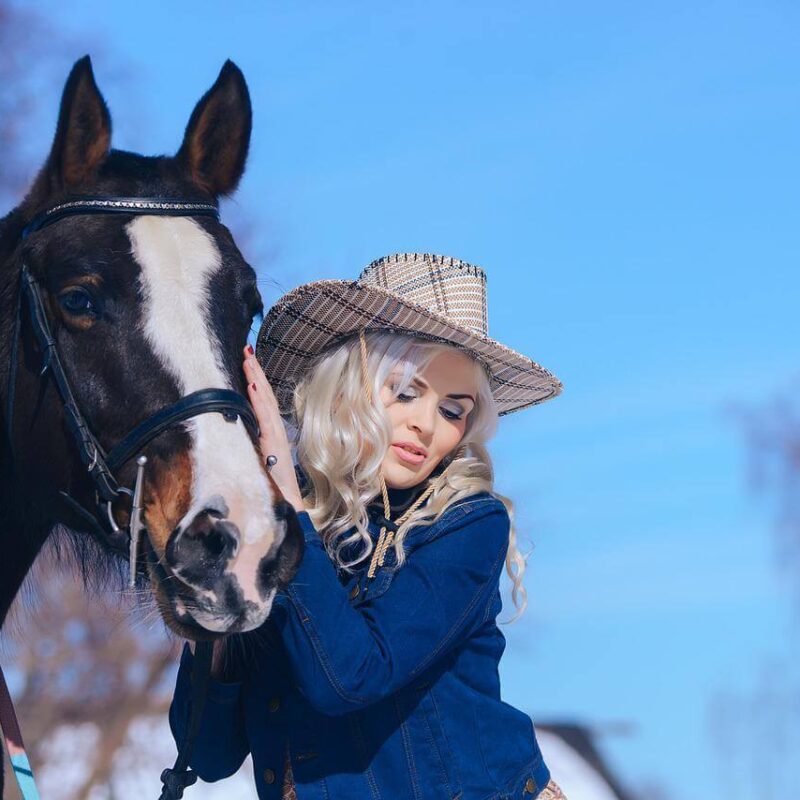
Glossy coats in shades of sorrel, bay, or palomino are just the start. The Quarter Horse’s physique is a masterclass in balance: a broad chest, powerful hindquarters, and a refined head with expressive eyes that seem to say, *"I’ve got this."* Standing between 14.3 and 16 hands tall, they’re compact enough for agility but sturdy enough for heavy work. But their true magic lies in their temperament. Unlike high-strung breeds, Quarter Horses are famously level-headed, making them ideal for families, competitors, and everyone in between. Ever watched a child beam with pride after their first ride? Chances are, a Quarter Horse was beneath them.
The All-American Performer
Open any equestrian event roster, and you’ll find Quarter Horses stealing the show. They dominate timed events like barrel racing and pole bending, where their acceleration and tight turns leave audiences breathless. In cutting horse competitions, their ability to "mirror" a cow’s movements is poetry in motion. Even in dressage or jumping, their athleticism shines. And let’s not overlook their role as Hollywood’s darlings—remember *Seabiscuit*? (Yes, he was a Thoroughbred, but his underdog story is pure Quarter Horse spirit.)
Owning a Quarter Horse: What You Need to Know
Dreaming of bringing one home? These horses are relatively low-maintenance compared to some breeds, thriving on good forage, regular exercise, and plenty of companionship. They’re social creatures, so a pasture buddy is a must. Health-wise, they’re robust but prone to certain genetic conditions like HYPP (Hyperkalemic Periodic Paralysis), so responsible breeding is key. As for cost, prices range from a few thousand for a ranch-ready gelding to six figures for a top-tier stallion. But here’s the kicker: Whether you’re a weekend trail rider or a serious competitor, a Quarter Horse will meet you where you are—and probably exceed your expectations.
Finding Your Perfect Match
Start by connecting with reputable breeders or rescue organizations (yes, even Quarter Horses need second chances!). Attend local shows or rodeos to see them in action. When evaluating a horse, look for clear eyes, a shiny coat, and a willingness to engage. And trust your gut: The best partnerships are built on mutual respect and a dash of chemistry.
As the sun dips below the horizon, painting the sky in shades of amber and rose, it’s easy to see why the Quarter Horse has captured America’s heart. This isn’t just a horse; it’s a companion, a worker, a competitor, and a friend. Whether thundering down a racetrack or carrying a child on their first trail ride, they embody the resilience and generosity of spirit that define the American West. So, is the Quarter Horse America’s favorite? The answer echoes in the clip-clop of hooves on dusty trails and the quiet nickers at the end of a long day. Some legends aren’t just told—they’re lived, one ride at a time.
What Is a Buckskin Horse: More Than Just a Color
What Is a Cold Blooded Horse: The Truth About Their Temperament and Power
Related Posts

What Does the Average Horse Weigh? Why Knowing This Number Could Save Your Horses Life

What Does a Horses Tail Look Like Without Hair? The Anatomy Youve Never Seen

What Color Was George Washingtons White Horse: The Surprising Story of Nelson

What Color Is a Sorrel Horse: How to Distinguish This Coat From a Standard Chestnut

What is a grulla horse: Decoding the rarest and most unique coat pattern in nature

What is a Friesian Horse? The Pearl of Holland Explained