Can You Ride a Horse on the Road?
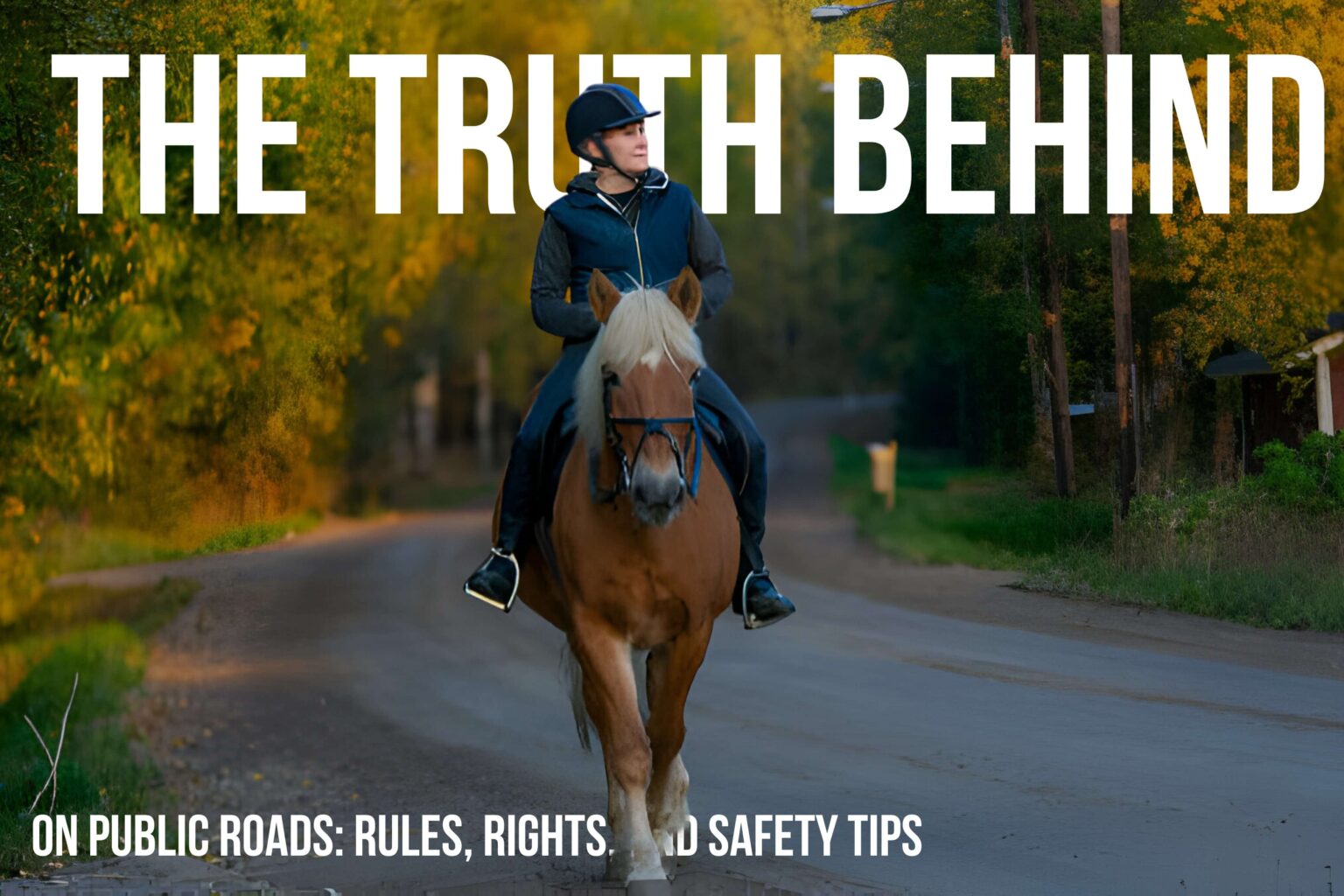
Yes, you can ride a horse on the road in many areas, but this is subject to local laws, safety regulations, and certain etiquettes. It’s crucial for equestrians to be aware of both their rights and responsibilities to ensure safety for themselves, their horse, and surrounding traffic. Understanding the legal landscape and preparing for potential hazards are key steps in practicing responsible equestrian road use.
Chapter 1: Understanding the Basics of Equestrian Road Use
Legal Requirements for Horseback Riding on Public Roads
Navigating the maze of legal requirements for horseback riding on public roads can seem daunting at first. These laws and regulations vary significantly across different regions, states, and even municipalities. At the core, they aim to ensure the safety of both the equestrians and other road users.
For instance, in many places, riders are required to follow similar rules as cyclists, such as riding with the flow of traffic and using hand signals to indicate turns or stops. Additionally, there might be specific requirements regarding the time of day when horses are allowed on the road or particular gear that must be worn for visibility.
The Importance of Visibility and Protective Gear
Visibility is a critical concern for riders navigating roadways. Wearing high-visibility clothing and ensuring your horse has reflective gear can be lifesaving, especially during dawn, dusk, or at night. This is not just about making yourself and your horse visible to drivers; it’s also about enhancing your visibility to pedestrians and cyclists.
Protective gear goes beyond visibility. Helmets, for instance, are an essential safety measure for riders. While not always mandated by law, their importance cannot be overstated. Similarly, ensuring your horse is well-prepared and comfortable with the necessary gear can prevent accidents and injuries.
Understanding these basics forms the foundation of safe and lawful equestrian road use. Familiarizing yourself with the specific legal requirements in your area and investing in the right visibility and protective gear are the first steps towards a safe and enjoyable ride on public roads.
➤ Also Read: Can Horses Eat Pumpkins?
Chapter 2: Safety First: Tips for Horse Riding on Roads
Navigating Traffic: Strategies for Safe Road Riding
Safety should always be the top priority when sharing the road with vehicles. To ensure both you and your horse remain safe, it’s crucial to adopt strategies that minimize risks. Visibility plays a paramount role here. Wearing reflective vests and equipping your horse with high-visibility leg bands can make a significant difference in how well drivers see you, especially during low light conditions.
Signaling your intentions to drivers, cyclists, and pedestrians is just as important. Just like cyclists, horse riders should use hand signals to indicate turning or stopping. This clear communication helps prevent misunderstandings and accidents on the road.
Choosing the right time and place for your ride is another critical factor. Early morning or late evening hours may offer quieter roads but come with reduced visibility. Opt for routes known for being more accommodating to horses and riders, and avoid high-traffic times whenever possible.
Chapter 3: Horse and Rider Preparation for Road Riding
Preparing Your Horse for the Road: Training and Gear
Preparing your horse for road riding involves more than just physical readiness; mental preparation is equally essential. Desensitization training to traffic, noises, and the hustle and bustle of urban environments can help your horse stay calm and responsive in potentially stressful situations. Start in controlled environments and gradually expose your horse to busier settings, always ensuring a positive and reassuring experience.
Essential gear for road safety is a must, not just for the rider but for the horse as well. Beyond the high-visibility equipment mentioned earlier, consider protective boots for your horse to prevent injuries from potentially hazardous road surfaces. Helmets for riders are non-negotiable; a properly fitted helmet can be lifesaving in the event of a fall.
Both horse and rider must be adequately prepared for the unique challenges that road riding presents. This includes not only physical conditioning and gear but also a solid understanding of road safety practices. Together, these measures contribute to a safer environment for everyone on the road.
Chapter 4: The Etiquette of Riding a Horse on Public Roads
Sharing the Road: Etiquette and Best Practices
When riding a horse on public roads, understanding and practicing good etiquette is just as crucial as knowing the laws. This ensures not only your safety and your horse’s but also the safety of cars, cyclists, and pedestrians sharing the road with you.
Always stay alert and aware of your surroundings. Making eye contact with drivers at crossings can help ensure they’ve seen you before you proceed. When possible, ride in single file on the left-hand side of the road, facing oncoming traffic, which is the standard in many regions for non-motorized travelers.
Respect and courtesy go a long way. Thank drivers who slow down or give you a wide berth by nodding or raising your hand in acknowledgment. This positive reinforcement encourages respectful sharing of the road.
Understanding and following local traffic signals and norms is vital. This includes stopping at stop signs and red lights and adhering to hand signals for turning. Being predictable in your actions helps prevent accidents and ensures a smoother coexistence with motorized vehicles and other road users.
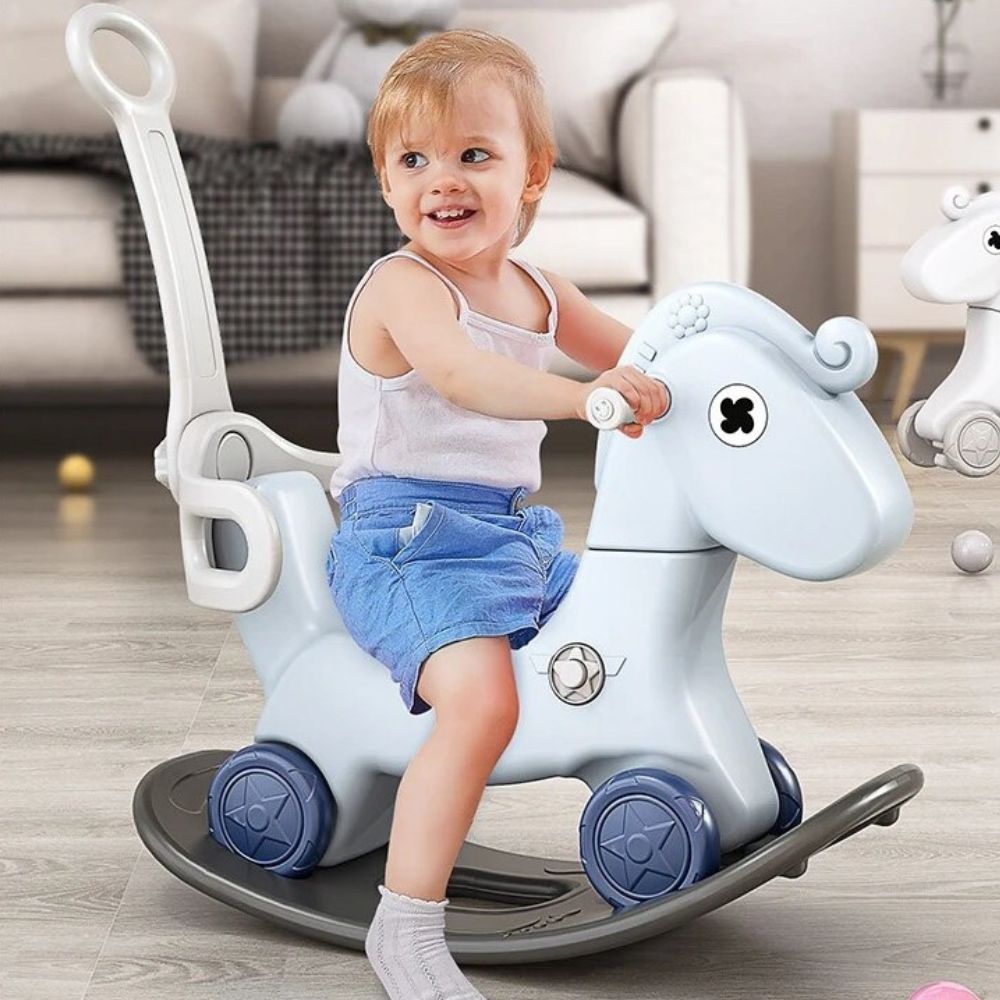
Delight the little horse lovers in your life with our fun and engaging horse-themed toys collection! Explore our playful Horse Toys that will keep them entertained for hours. Bring home a charming Horse Figurine for a touch of elegance, or let them bounce with joy on a fun Bouncy Horse. For cozy cuddles, check out our soft Plush Horse or a timeless Rocking Horse. If you’re looking for something extra special, a sturdy Wooden Rocking Horse will make a lasting gift. Don’t forget to challenge their minds with a fun Horse Puzzle. Shop now to bring the magic of horses into their playtime!
Chapter 5: Understanding Your Rights and Responsibilities
Your Legal Rights and Obligations as an Equestrian on the Road
As an equestrian, knowing your legal rights and obligations is fundamental when interacting with other road users. While specific laws vary by location, riders often have the same right to use the road as cyclists and drivers, with certain conditions.
Understanding right-of-way scenarios is a key aspect of navigating roads safely. For instance, when crossing junctions or using roundabouts, knowing when you and your horse have the right of way—and when you don’t—is crucial to prevent confusion and accidents.
It’s also important to know how to handle accidents or confrontations. If an incident occurs, remain calm and ensure the safety of your horse, yourself, and others involved. Exchange information with the other party and report the incident to the authorities if necessary.
Responsibilities towards other road users include not obstructing traffic flow unnecessarily and being mindful of your horse’s behavior. Ensuring your horse is well-trained and unlikely to become spooked or unruly in traffic is part of your duty as a responsible rider.
By familiarizing yourself with both your rights and your responsibilities, you contribute to a safer, more harmonious environment for all who share the road.
Frequently Asked Questions
- Can you ride a horse on the road anywhere? Briefly discuss how legality varies by location and the importance of checking local laws.
- What safety gear should you and your horse wear on the road? Highlight essential safety gear for both horse and rider, emphasizing visibility.
- How do you train your horse for road riding? Outline basic training steps to prepare a horse for road noises and traffic.
- What are the key pieces of road etiquette for horse riders? Discuss respect, signaling, and being mindful of other road users.
- What to do if you’re involved in an accident while riding on the road? Offer advice on how to handle accidents, including legal and safety considerations.
Conclusion
Wrap up by reiterating the importance of understanding and adhering to local laws, being prepared with the right safety measures, and maintaining courteous road-sharing practices. Emphasize the joy and freedom of riding a horse on the road while being a responsible equestrian.
Survival Instincts: How Long Can a Horse Go Without Water?
Can Horses Vomit? Unraveling Equine Digestive Mysteries
Related Posts

Are Horses Aggressive? Spot Danger Signs in Their Body Language

Are Horses Smart Animals? New Studies Reveal Equine Intelligence

Where Can I Pet Horses Near Me: How to Find Local Farms & Rescues for a Visit

Where Horses Are Kept: From Luxury Stables to Open Pastures

Why Is Horse Sperm So Expensive: The Shocking Reality of Elite Stallion Breeding Fees

Why Is It Illegal to Bury a Horse? Environmental & Zoning Laws Explained

Where Are the Withers on a Horse: Why This Specific Point Is Crucial for Saddle Fit