
What Is a Horse Group Called? The Fascinating Answer Revealed
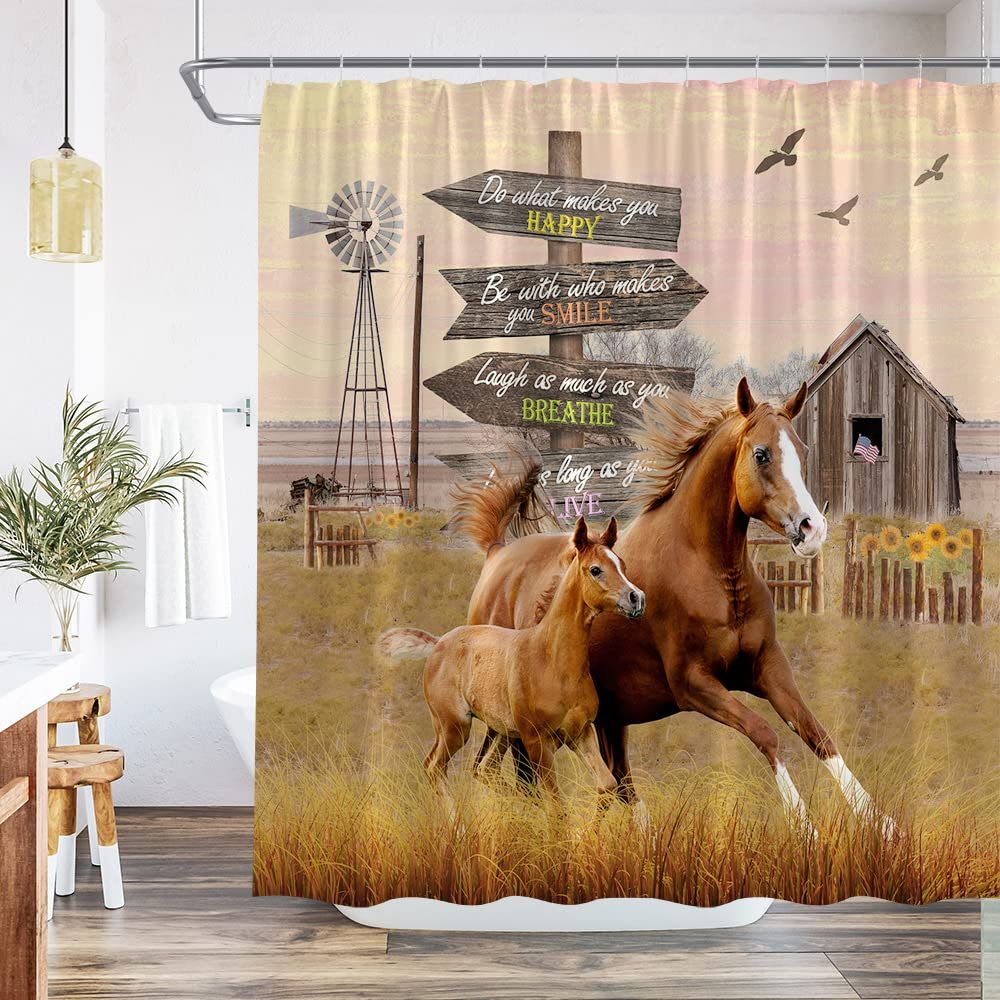
Have you ever watched a herd of horses galloping across an open field, their hooves pounding against the earth like a rolling thunderstorm? It’s a mesmerizing sight—one that makes you wonder about the social bonds these majestic creatures share. But here’s a question that might stump even seasoned horse lovers: what is a horse group called? The answer isn’t as straightforward as you might think, and it’s steeped in fascinating history, behavior, and even a little mystery.
What Is a Horse Group Called? The Simple Answer
If you were to ask a rancher or a equestrian, they’d likely tell you that a group of horses is most commonly called a “herd.” But dig a little deeper, and you’ll find that the terminology shifts depending on context. A wild band of horses, for instance, might be called a “band” or a “harem” when led by a single stallion. Meanwhile, domesticated groups kept for breeding are often referred to as a “stud” or a “string”—especially when referring to working horses like those used on ranches or in competitions. And if you're talking about racehorses? That’s a “stable.”
Yet language is fluid, and regional differences make this even more interesting. In the UK, for example, groups of wild ponies are sometimes called “troops,” while in Australia, a mob of brumbies (feral horses) might just be called—you guessed it—a “mob.” So, while “herd” is the safest go-to term, the diversity of names reflects just how deeply horses are woven into different cultures and landscapes. But let’s be honest—it’s not just about the label. It’s about understanding why these animals gather the way they do.
Why Do Horses Form Groups?
Horses are naturally social creatures, a trait rooted in survival. In the wild, sticking together means protection—more eyes to spot predators, more bodies to shield foals, and a better chance of finding food and water. Even domesticated horses retain this instinct. If you’ve ever seen a paddock of horses huddled close in a storm or playfully nipping at each other, you’re witnessing their innate need for companionship.
The Structure of a Wild Horse Band
In the wild, a typical horse herd (or band) usually consists of:
- A dominant stallion (the protector and breeding male).
- Several mares (adult females, often related).
- Their offspring (foals and yearlings).
This structure ensures stability. The stallion defends the group, while the mares, often led by an alpha mare, make key decisions about movement and grazing. Young males eventually leave to form bachelor groups or challenge other stallions for control of a harem.
Domesticated Horse Dynamics
Domesticated horses might not face predators, but they still rely on hierarchy. Ever noticed how one horse always gets first dibs at the haypile? That’s the pecking order in action. Groups in stables or pastures establish rank through subtle cues—ear flicks, body positioning, even who gets to stand in the best shade. Understanding this helps trainers and owners manage herds without conflict.
Unusual Horse Group Names and Their Origins
Beyond the standard “herd” or “band,” there are quirky, lesser-known terms that add color to the lexicon:
- Rag of colts: A delightful old term for a group of young male horses.
- String of horses: Often used for working horses, like those used by cowboys.
- Team: Typically refers to draft horses harnessed together.
These terms often stem from historical or occupational contexts, revealing how humans and horses have partnered through the ages.
The Emotional Power of a Herd
There’s something profoundly moving about watching a horse group interact. The way a mare nuzzles her foal, or how two geldings mutually groom each other after a long ride, speaks to their emotional depth. Horses form lifelong bonds, grieve losses, and even recognize individual humans within their social spheres. When you call a group of horses a “herd,” you’re not just naming them—you’re acknowledging a complex, living community.
Conclusion: More Than Just a Name
So, the next time you see horses grazing together, remember—they’re not just a random cluster. They’re a herd, a band, a family. Whether wild or domesticated, their groupings are a testament to survival, loyalty, and the unspoken connections that define their world. Perhaps that’s why, for centuries, humans have been drawn to them. Not just for their strength or beauty, but for the way they remind us of the power of togetherness.
What Is a Horse Whisperer? Secrets of Equine Communication Revealed?
What Does a Green Horse Mean? 5 Surprising Facts You Need to Know
Related Posts

Should I Buy a Horse With Navicular? Tips for Smart Buyers

What Does a Black Horse Symbolize? Meaning & Mystique Explained

What Does a Green Horse Mean? 5 Surprising Facts You Need to Know

What Is a Horse Whisperer? Secrets of Equine Communication Revealed?

What Is a Horse Whisperer: Secrets of Gentle Horse Training

What Is a Futurity Horse? Guide for Equestrian Enthusiasts